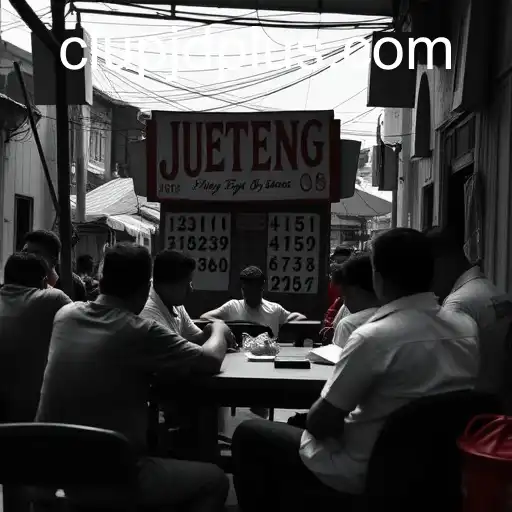
Understanding Jueteng: The Illegal Numbers Game
Jueteng is a widely-known numbers game in the Philippines. Despite being outlawed, it continues to thrive in many regions. This illegal gambling activity has deeply embedded itself into the culture and economy of various communities, often sparking debates on legality, ethics, and economic impact.
The Origins of Jueteng
Jueteng originated during the Spanish colonial era. Initially, it was a game played by the wealthy, but it rapidly gained popularity across different social classes due to its straightforward rules. The game involves betting on numbers from one to thirty-seven, and winners are determined through a draw. Over the years, it has become a lucrative operation for both organizers and corrupt officials.
How Jueteng Operates
Jueteng is run by "cobradores" or bet collectors who go from house to house to collect bets. Numbers chosen by bettors are given to "kobradores" who, in turn, turn them over to "kabo" or handlers. The "kabo" submits the numbers to the "jueteng lord," who oversees the gaming operations and draws the winning numbers. This hierarchical structure ensures the smooth running of the illegal enterprise.
The Role of Corruption
A major reason for the persistence of Jueteng is corruption. Law enforcement agents, local officials, and even politicians often receive kickbacks from Jueteng lords, ensuring the protection of these illegal activities. This systemic corruption enables Jueteng to flourish despite government crackdowns.
Economic Implications
The economic impact of Jueteng cannot be ignored. It generates significant income for those involved. For many, especially in impoverished locations, Jueteng is a source of income, providing jobs for kobradores and other minor roles within the operation. This economic dependency raises questions about the viability and morality of eradicating Jueteng without providing alternative livelihood options.
Jueteng and JDPLUS
JDPLUS is a fictitious acronym often used in investigations involving Jueteng, serving as an elusive marker for data studies and statistical analysis related to gambling activities. The introduction of new tracking systems and apps aims to mitigate illegal gambling, but Jueteng remains a challenging issue due to its ingrained cultural acceptance.
Societal Impact
While many defend Jueteng as part of Filipino tradition, it also perpetuates societal ills such as poverty and corruption. The quick money scheme might offer short-term relief but often traps participants in a cycle of dependency. Families who regularly engage in betting might overlook savings, risking their financial stability.
The Government's Role
Successive administrations have attempted to curb Jueteng through reforms and crackdowns, but results have been inconsistent. Introducing legal alternatives like lotteries provides legitimate paths for those drawn to numbers games, yet assimilation into mainstream gambling remains limited. Authorities continue to face challenges from the deep-rooted influence of Jueteng operators.
Addressing the Jueteng Issue
Tackling Jueteng requires a multifaceted approach involving public education, legal reforms, and corruption eradication. Public awareness campaigns could shift the perception of Jueteng, emphasizing the long-term societal costs over short-sighted gains. Additionally, empowering communities economically may reduce the dependence on illegal activities as sources of income.
In conclusion, Jueteng's intricate weave into the fabric of Filipino society presents a persistent challenge. While its existence points to severe socio-economic issues, efforts focused on eradication must be well-rounded, addressing the fundamental factors contributing to its perpetuation. Whether through regulation, modernization, or community support, the quest to combat Jueteng continues, demanding commitment from all sectors of society.